Caring for Sheep Through Heat & Parasite Season
For Icelandic sheep, the cold, snowy months of winter are when they truly thrive. Seeing them curled up outside during a snowstorm is completely normal. Their dense double-coated fleeces were developed over centuries to withstand harsh northern winters, and they wear that heritage well.
It is the warm and hot months of summer that require my closest attention. During this season, I am diligent about checking each sheep’s body condition, monitoring parasite loads, and keeping a close eye on overall health. The ewes are still producing milk for growing lambs, the lambs themselves are putting on weight at a remarkable pace, and the pastures are changing rapidly. Every system is working at full capacity. Add summer heat to the equation, and it becomes essential that the flock has a place to rest and cool themselves during the hottest parts of the day.
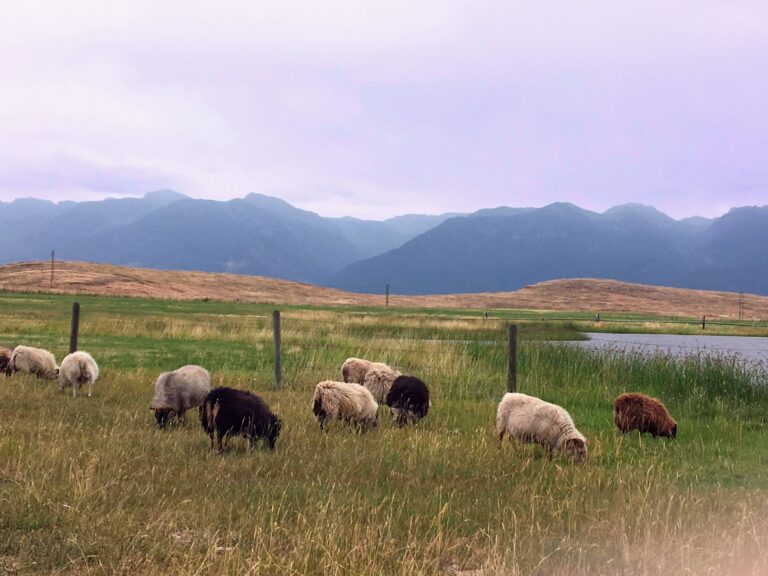
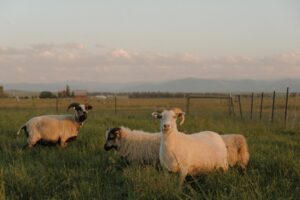
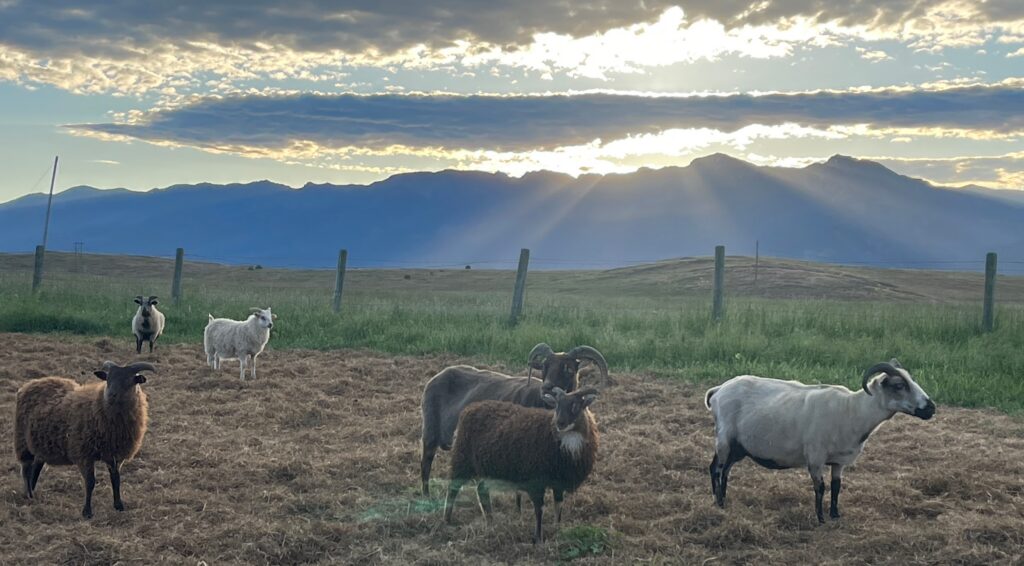
Over the years, I have intentionally observed the daily rhythm of our flock during the heat of summer. In July and August, they often begin grazing before sunrise, sometimes as early as 4:00 in the morning. By early afternoon, most of the flock has returned to the lean-to or settled beneath the shade of our willow tree. As evening approaches and cooler air begins to move across the pasture, they gradually make their way back out to graze before nightfall.
Paying attention to these patterns has helped me become a better shepherd. Understanding when the sheep naturally prefer to graze, rest, and seek shade allows me to choose the best times for pasture rotations, health checks, and handling. Rather than working against their natural rhythm, I have learned to work alongside it, creating less stress for both the sheep and the shepherd.
Shade Is Essential, Not Optional
One of the first things I have learned from our flock is that shade is not a luxury during the summer months—it is a necessity. While sheep are remarkably hardy animals, prolonged exposure to heat can place significant stress on their bodies, especially when ewes are nursing lambs and young sheep are growing rapidly.
Our sheep naturally seek out the shade of our trees during the hottest part of the day. More than just escaping the sun, they seem to appreciate the gentle breeze that often moves through the branches, helping to cool them even further. Whenever possible, they choose these shaded areas over enclosed shelters, reminding me that airflow can be just as important as shade itself.
If your rotational grazing system does not include shade trees in every paddock, it is worth creating an alternative solution. A simple framework made from pallets covered with a tarp can provide effective protection from the sun. I have also seen plans for movable shade structures designed specifically for small livestock that could work well in a rotational grazing system. These portable options allow shade to move with the flock, making them especially useful for open pastures.
Whatever method you choose, providing a reliable source of shade should be considered an essential part of summer sheep management. A comfortable sheep is more likely to continue grazing, maintain body condition, and cope well with the demands of the season. Sometimes the simplest improvements—a patch of shade and a cooling breeze—can make a tremendous difference in the overall health and well-being of the flock.
Fresh Water & Minerals
Providing continual access to cool, clean water is one of the most important things we can do for our sheep during the summer months. As temperatures rise, water consumption increases dramatically, especially for nursing ewes and rapidly growing lambs. A stock tank that is appropriately sized for your flock—or multiple water stations throughout the pasture—can help ensure every animal has access when they need it.
It is also important to remember that lambs need water just as much as their mothers. While they are still nursing, they begin drinking water at a surprisingly young age. Depending on the age and size of your lambs, you may need to provide lower or smaller water containers that are easier for them to access safely.
During the summer, I also add apple cider vinegar to our water tanks. Traditionally, many shepherds and livestock owners have used apple cider vinegar as a supportive tonic during times of stress. I appreciate the beneficial enzymes it contains and have made it part of our seasonal management routine. For our flock, I add a generous splash—approximately one cup—to a 20-gallon stock tank whenever I refill it.
Minerals become especially important during periods of heat stress. Sheep lose valuable nutrients while managing the demands of lactation, growth, and maintaining their body systems during hot weather. We provide both free-choice kelp and loose minerals year-round, but I pay particularly close attention to consumption during the summer months.
For our flock, I typically offer about three pounds each of kelp and Redmond Selenium 90 minerals and check them every other day, refilling as needed. Depending on the size of your flock, you may need to scale these amounts up or down. One thing I have consistently observed is that sheep seem remarkably capable of regulating their own mineral intake. During periods of heat, rapid pasture growth, or other seasonal changes, consumption often increases noticeably.
Fresh water, quality minerals, and free-choice kelp form the foundation of our summer nutrition program. These simple offerings help support hydration, overall health, and resilience during one of the most demanding seasons of the year.
Summer Parasite Pressure
Summer is the season when parasite management moves to the forefront of my shepherding routine. This requires close observation and consistent monitoring of every sheep in the flock. Parasite loads can increase surprisingly quickly, especially when weather conditions change rapidly or after periods of warm temperatures followed by significant rainfall. What appears to be a healthy sheep one week can begin showing signs of parasite stress shortly thereafter if we are not paying attention.
My philosophy has always been that prevention is far more effective than treatment. Building healthy sheep and creating conditions that make it difficult for parasites to thrive has proven to be one of the best investments I can make in the flock’s long-term health. This begins with avoiding overgrazed pastures, since many parasite larvae live in the lower portions of the forage. Rotational grazing allows pastures time to recover while reducing the sheep’s exposure to parasites. Keeping resting and loafing areas clean and dry also helps minimize parasite pressure. Perhaps most importantly, I place a strong emphasis on selecting sheep that demonstrate natural parasite resistance and overall hardiness.
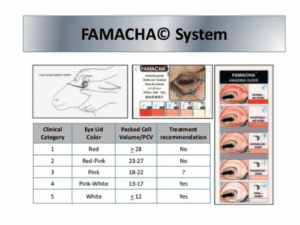
Throughout the summer, I perform regular FAMACHA checks to monitor for signs of anemia, one of the primary indicators of barber pole worm infestation. Checking eyelid color, observing body condition, and paying attention to energy levels allow me to identify potential concerns before they become serious health problems.
In the spring, usually around shearing time, I also give our flock what I call a “wellness drench.” My goal is to support the immune system as the sheep transition into the grazing season and encounter increasing parasite pressure. While no herbal preparation can replace good management practices, I have found that supporting overall health helps sheep better handle the challenges of the season.
Spring Wellness Drench
- 12 oz apple cider vinegar
- 8 oz molasses
- 12 oz hot water
- 6–8 oz fresh garlic, minced
- 2 oz dried oregano leaf
Combine all ingredients and allow the mixture to steep overnight. Strain through a fine mesh strainer before use.
Dosage: 1 oz (30 ml) per sheep.
No single practice eliminates parasites. Instead, successful parasite management comes from layering multiple approaches together: healthy sheep, thoughtful grazing management, regular observation, strong nutrition, and prompt action when problems arise. When these pieces work together, the flock is far better equipped to thrive through the challenges of summer.
Summer Body Condition & Observation
As I mentioned earlier, summer shepherding is largely about observation. The more familiar you become with what is normal for your sheep, the easier it is to recognize when something is beginning to change. A sheep that is losing condition, carrying a higher parasite load, or struggling with the heat will often show subtle signs long before a serious problem develops.
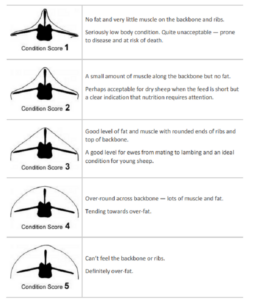
One of the most valuable skills a shepherd can learn is how to assess body condition. Since wool can hide a great deal, especially in Icelandic sheep, it is important to put your hands on each animal regularly. To evaluate body condition, place your thumb and pointer finger along the spine just behind the last rib. The amount of muscle and fat covering the spine and loin area will help you determine whether a sheep is underweight, in ideal condition, or carrying excess weight. A body condition scoring chart can be an excellent reference as you learn what each score feels like and how it relates to the overall health of your flock.
Summer is also an ideal time to check hoof condition. In our pastures, there are very few rocky areas to naturally wear down the hooves, so regular trimming is an important part of our flock management. Overgrown hooves can affect mobility, grazing behavior, and overall health if left unattended.
Having a good pair of sharp hoof trimmers makes the job significantly easier. Dull clippers can turn a quick maintenance task into a frustrating experience for both shepherd and sheep. The hoof trimmers I use from Premier 1 Supplies have held up well through years of regular flock maintenance.
When I gather sheep for body condition scoring, FAMACHA checks, or hoof trimming, I view it as more than simply completing a task. It is an opportunity to evaluate each animal individually, observe changes that may otherwise go unnoticed, and maintain a close connection with the flock. Many health concerns can be addressed quickly when caught early, making these routine checks one of the most valuable investments of time a shepherd can make.
Summer shepherding teaches us to slow down and pay attention. The flock depends on a thousand small decisions: fresh water, adequate shade, quality minerals, healthy pastures, and a shepherd willing to notice the subtle changes that occur from one week to the next.
While Icelandic sheep may thrive in the cold winds of winter, summer is often the season that asks the most of both sheep and shepherd. Through careful observation, preventative management, and a commitment to meeting their seasonal needs, we can help our flocks remain healthy, productive, and resilient throughout the warmest months of the year.
Free Printable Summer Sheep Care Checklist
Print this checklist and keep it in your shepherding binder for easy reference throughout the summer grazing season.
Summer Sheep Care Checklist
Use this checklist throughout the summer months to help your flock stay healthy, productive, and comfortable during periods of heat and increased parasite pressure.
Daily
☐ Check that all sheep have access to clean, cool water.
☐ Refill water tanks as needed.
☐ Observe sheep for signs of heat stress:
-
Excessive panting
-
Open-mouth breathing
-
Lethargy
-
Drooling
-
Standing away from the flock
-
Reduced grazing activity
☐ Verify that adequate shade is available.
☐ Observe flock behavior and grazing patterns.
☐ Walk through the flock and look for sheep that appear thin, weak, or isolated.
☐ Check mineral and kelp feeders and refill as needed.
Every Other Day
☐ Refill free-choice kelp.
☐ Refill loose minerals (Redmond Selenium 90 or preferred mineral source).
☐ Inspect water tanks and clean debris or algae buildup.
☐ Monitor pasture conditions and grazing pressure.
Weekly
☐ Perform FAMACHA checks on the flock.
☐ Watch for signs of parasite stress:
-
Pale eyelids
-
Weight loss
-
Reduced energy
-
Rough fleece
-
Bottle jaw
☐ Assess body condition on a sample of sheep or the entire flock.
☐ Observe nursing ewes and growing lambs for healthy growth and condition.
☐ Evaluate pasture height and determine if a rotation is needed.
☐ Inspect resting areas and shelters for cleanliness.
As Needed
☐ Rotate sheep to fresh pasture before paddocks become overgrazed.
☐ Provide additional shade structures during extended periods of extreme heat.
☐ Add approximately 1 cup of apple cider vinegar to each 20-gallon stock tank when refilling water.
☐ Trim hooves when overgrowth is observed.
☐ Separate and closely monitor any sheep showing signs of illness, poor condition, or parasite stress.
Spring Wellness Drench
(Generally given around shearing time)
Ingredients
-
12 oz apple cider vinegar
-
8 oz molasses
-
12 oz hot water
-
6–8 oz fresh garlic, minced
-
2 oz dried oregano leaf
Instructions
☐ Combine ingredients.
☐ Allow mixture to steep overnight.
☐ Strain through a fine mesh strainer.
☐ Administer 1 oz (30 ml) per sheep.
Summer Shepherd’s Reminder
☐ Work with the flock’s natural rhythm.
☐ Schedule handling, pasture moves, and health checks during the cooler parts of the day.
☐ Trust observation over assumption.
☐ Focus on prevention rather than treatment whenever possible.
☐ Remember that healthy sheep are built through many small daily management decisions.