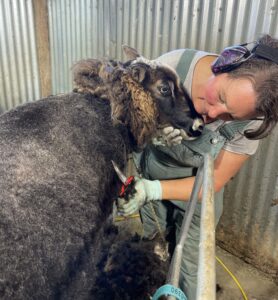
As the air turns crisp and the days shorten, wool becomes one of nature’s best gifts. For centuries, people around the world have relied on wool not just for warmth but also for durability, beauty, and sustainability. Here on our farm, we raise Icelandic sheep, a breed whose fleece has been perfected over 1,000 years of surviving Iceland’s harsh and unpredictable climate. They grow exactly what they need — and what we can use, too.
A Remarkable Dual-Coated Fleece
Icelandic wool is unlike that of most other sheep breeds. It has two distinct layers, each with its own purpose:
-
Thel – the fine, soft undercoat. This downy layer traps air close to the body, providing insulation. It’s often used in garments worn next to the skin, like sweaters, scarves, or lightweight shawls.
-
Tog – the long, coarse outer coat. Strong, glossy, and water-resistant, it sheds rain and snow while protecting the undercoat beneath. Tog fibers are excellent for weaving and for sturdy outerwear like coats, mittens, and durable socks.
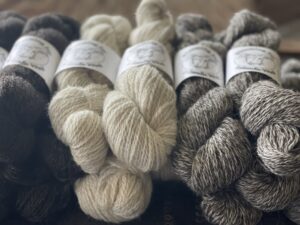
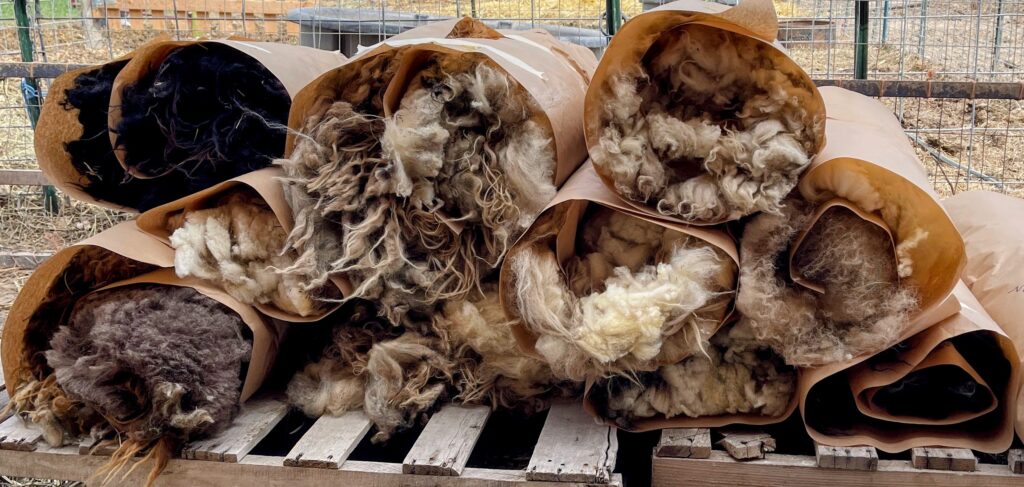
When spun together, thel and tog create lopi yarn — famous in Iceland for knitting traditional, long-lasting sweaters. On average, one adult Icelandic sheep produces 4–7 pounds of wool each year, in a stunning natural palette ranging from creamy whites and silvers to caramels, chocolates, and jet black. Each fleece is unique, reflecting the individuality of the sheep.
A Bit of History
For the people of Iceland, wool wasn’t just useful — it was essential for survival. With few native trees and a harsh climate, textiles from plants were nearly impossible to produce. Wool became the foundation of clothing, bedding, and even trade. Icelandic women spun both tog and thel by hand, weaving and knitting garments that could withstand driving sleet, icy winds, and long winters.
The most famous modern expression of this tradition is the lopapeysa, the round-yoked sweater knit from unspun lopi yarn. Known for its warmth, water resistance, and distinctive patterns, it remains a national symbol of Iceland and a testament to the enduring value of wool. What once kept families alive now continues as a cultural heritage piece, loved around the world.
Why Natural Fibers Matter Today
We live in a world flooded with synthetic fabrics — polyester, nylon, acrylic — which are petroleum-based and shed microplastics into our air and waterways. Wool, by contrast, is:
-
Breathable – it wicks moisture and allows airflow, keeping you comfortable across a wide range of temperatures.
-
Antibacterial & Odor-Resistant – its natural lanolin helps resist bacteria and keeps wool garments fresher longer.
-
Thermoregulating – wool insulates in cold weather and cools in the heat. I often wear wool t-shirts in summer because they wick sweat and let my body breathe.
-
Biodegradable & Renewable – unlike synthetics, wool breaks down naturally in soil, returning nutrients back to the earth. And because sheep grow new fleeces each year, wool is one of the most sustainable fibers available.
Choosing natural fibers for your clothing and home reduces reliance on plastics, supports long-term sustainability, and often results in better comfort and durability.
Wool in Everyday Life
On our farm, wool is woven into daily life in both practical and memorable ways. One of my favorite vendor experiences is watching people at our booth instinctively reach out to touch the sheep pelts. Without fail, they sink their hands in deeply, often smiling or letting out a contented sigh. Surrounded by pelts, skeins of yarn, roving, and even raw wool, many visitors have told me they feel a sense of calm.
There may well be a scientific explanation for this tactile comfort, but what I know is simple: wool soothes. It reminds us of something grounding and timeless — a connection to nature, animals, and the work of human hands.
Caring for Your Wool
One of the wonderful things about wool is how low-maintenance it is compared to synthetic fabrics. Wool doesn’t need to be washed as frequently — its natural lanolin helps resist odors and dirt. When it does need cleaning:
-
Wash gently – Use cool or lukewarm water and a very mild soap. Avoid harsh detergents that can strip the lanolin from the fibers.
-
Rinse thoroughly – Make sure all soap is rinsed out to maintain the wool’s natural softness and insulating properties.
-
Remove water carefully – Gently press or roll the garment in a towel; avoid wringing or twisting.
-
Air dry – Lay the garment flat on a towel or wooden drying rack. Wool dries relatively quickly and holds its shape well.
-
Store smartly – To protect against wool moths, hang a small satchel of lavender or cedar wood chips near your stored wool clothes.
With these simple steps, wool garments can last for years — often outliving their synthetic counterparts — while keeping their softness, warmth, and beauty intact.
Bringing Wool into Your Home
Wool isn’t just for clothing — it can transform your living spaces as well. I’ve found second-hand wool rugs at a fraction of the cost of new ones, and many are in beautiful condition. They’re incredibly easy to care for: a little spot cleaning with mild soap and water keeps them looking fresh. Plus, wool rugs don’t off-gas toxins like some synthetic materials, making them a healthier choice for your home or workspace.
Beyond rugs, wool-filled pillows, mattresses, and blankets are worth considering. There are some wonderful companies producing high-quality wool products designed to last for years. Incorporating natural fibers into your home may feel like small steps at first, but over time, these choices create a warm, non-toxic, and inviting space that supports well-being for everyone who enters.
From the fleece of a single Icelandic sheep to the cozy sweater, rug, or blanket that may last you decades, wool is a gift that connects us with both history and nature. This fall, as you reach for something warm, may it remind you that some of life’s best comforts are renewable, timeless, and simple.